India’s economy is expanding rapidly, with industries growing across manufacturing, technology, infrastructure, and services. However, alongside this progress, the country is facing a growing number of environmental challenges, such as extreme heatwaves, unpredictable monsoons, floods, and droughts. These environmental shifts are not just ecological issues; they have direct consequences for business operations, supply chains, and long-term planning.
Due to this shift, smart organizations are no longer treating climate risk management as a “nice-to-have” or a PR checkbox. It’s becoming a core part of strategic planning. Companies that actually bake environmental risk into their daily operations are the ones staying ahead of disruptions and shifting regulations. As sustainability becomes central to global trade, implementing structured climate change risk management and utilizing professional climate change management services are now essential for business climate risk management in India.
India’s sheer size and geographic variety make it a bit of a target for climate-related curveballs. Coastal regions are exposed to cyclones and sea-level rise, while inland areas face increasing water stress and rising temperatures. These aren’t just headlines; they affect farms, logistics hubs, factories, and city infrastructure.
For any business operating here, knowing your environmental exposure is a must. By using structured climate risk management strategies, companies can spot their weak points early and build a solid Plan B. Those that bring in expert climate change management service support find it much easier to break down complex risks, tighten up their sustainability policies, and build a business that can actually weather the storm, literally.
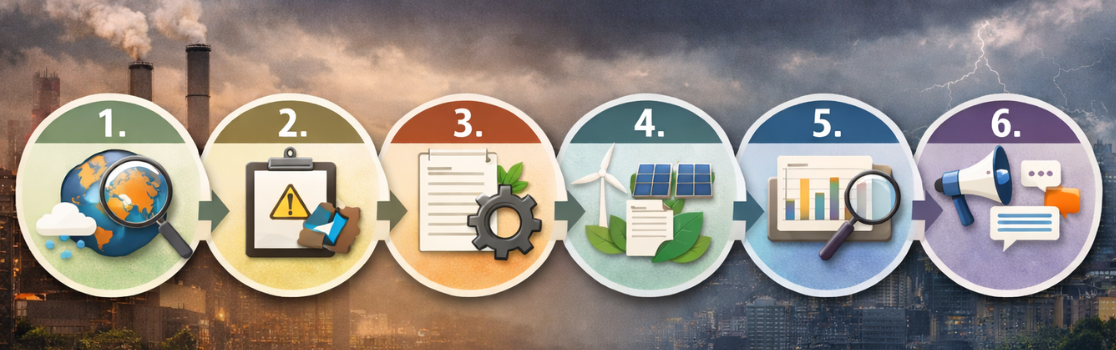
1. Rising Climate-Related Disruptions
Extreme weather events are becoming more frequent across India. Heatwaves can reduce workforce productivity, floods can damage facilities, and storms can disrupt transportation networks.
Businesses that get proactive with climate change risk management aren’t just reacting; they’re anticipating. This kind of foresight keeps the doors open and the wheels turning even when the environment gets unpredictable.
2. Evolving Environmental Regulations
Rules are changing fast. Governments everywhere are tightening the screws on emissions and demanding more sustainable practices. India is no exception, with new policies pushing for carbon reduction and much more transparent sustainability reporting.
If you’re prioritizing business climate risk management in India, you’re already ahead of the compliance curve. Integrating these factors into your corporate strategy means you won’t be caught off guard by new laws, and you’ll naturally align with global standards.
3. Protecting Supply Chains
Modern businesses rely heavily on complex supply chains that span multiple regions and industries. When a flood or drought hits a specific region, it doesn’t just stay there; it delays raw materials and stalls logistics.
With a structured climate risk management plan, you can map out these vulnerabilities and find alternative suppliers before a crisis hits. It’s about ensuring that your business keeps moving, no matter what happens elsewhere.
4. Financial Risk Reduction
Climate change is increasingly recognized as a financial risk for organizations. Physical damage to buildings, production delays, spiking insurance premiums, and hefty regulatory fines can eat into your margins very quickly.
Professional climate change management service providers help you quantify these risks. When you can see the potential financial hit, you can take steps to minimize it, making sure a bad monsoon season doesn’t turn into a long-term economic disaster for your firm.
5. Strengthening Investor Confidence
Today’s investors aren’t just looking at profit margins; they’re looking at ESG (Environmental, Social, and Governance) scores. If a business ignores climate risk, it becomes a “risky bet” for banks and long-term investors.
Showing that you have a real climate change risk management framework in place tells the market you’re prepared. That kind of transparency builds serious trust with stakeholders and makes it much easier to secure funding.
6. Enhancing Brand Reputation and Sustainability
Customers are paying attention. They want to buy from companies that actually give a damn about the planet. A brand that proactively manages its environmental impact isn’t just doing good; it’s building brand equity.
By focusing on business climate risk management in India, you’re signaling to your customers and partners that you’re committed to the long haul. This builds a level of loyalty that marketing alone just can’t buy.
7. Preparing for Long-Term Business Resilience
The climate isn’t going to reset itself tomorrow. This is a long-term shift that will define the next century of business. The companies that start planning today are the ones that will be around in 30 years.
Using a structured climate risk management framework allows you to weave environmental reality into your long-term goals. With the right climate change management service backing you up, you can turn potential risks into opportunities for more resilient, sustainable growth.
At KBS Certification, we help organizations strengthen their environmental and sustainability strategies through globally recognized climate services. Our mission is to support businesses in building responsible and resilient operations in an evolving climate landscape.
With decades of experience across 60+ countries, we offer a full suite of climate change management service solutions. Whether it’s greenhouse gas verification, carbon footprint assessments, sustainability audits, or climate project validation, our experts work closely with organizations to implement effective climate change risk management practices that align with international standards.
Through independent audits and sustainability assessments, we help you sharpen your ESG performance and master business climate risk management in India. If you’re looking for a partner to help navigate environmental compliance and secure your future, KBS Certification is ready to lead the way.
It is a practical way for companies to spot environmental threats, like extreme heat or new laws, and build solid plans to protect their daily operations and bottom line.
Since shifting weather patterns directly impact Indian supply chains and infrastructure, getting ahead of these changes is the only way to ensure a company stays stable long-term.
The process usually starts with a deep dive into local environmental threats, updating internal green policies, and teaming up with specialists for expert guidance and data verification.
Absolutely, it makes ESG reporting much more accurate, boosts overall transparency, and ensures a business meets the high expectations of global investors and international sustainability standards.
These organizations step in to double-check emission numbers, audit green initiatives, and confirm that a company is truly following the environmental rules and frameworks it claims to.
For detailed training, certification, sustainability, or climate change services–related queries, please  Contact Us

 SIGN IN TO TRAINING ACADEMY